Private Label Dog Collar Manufacturing Guide

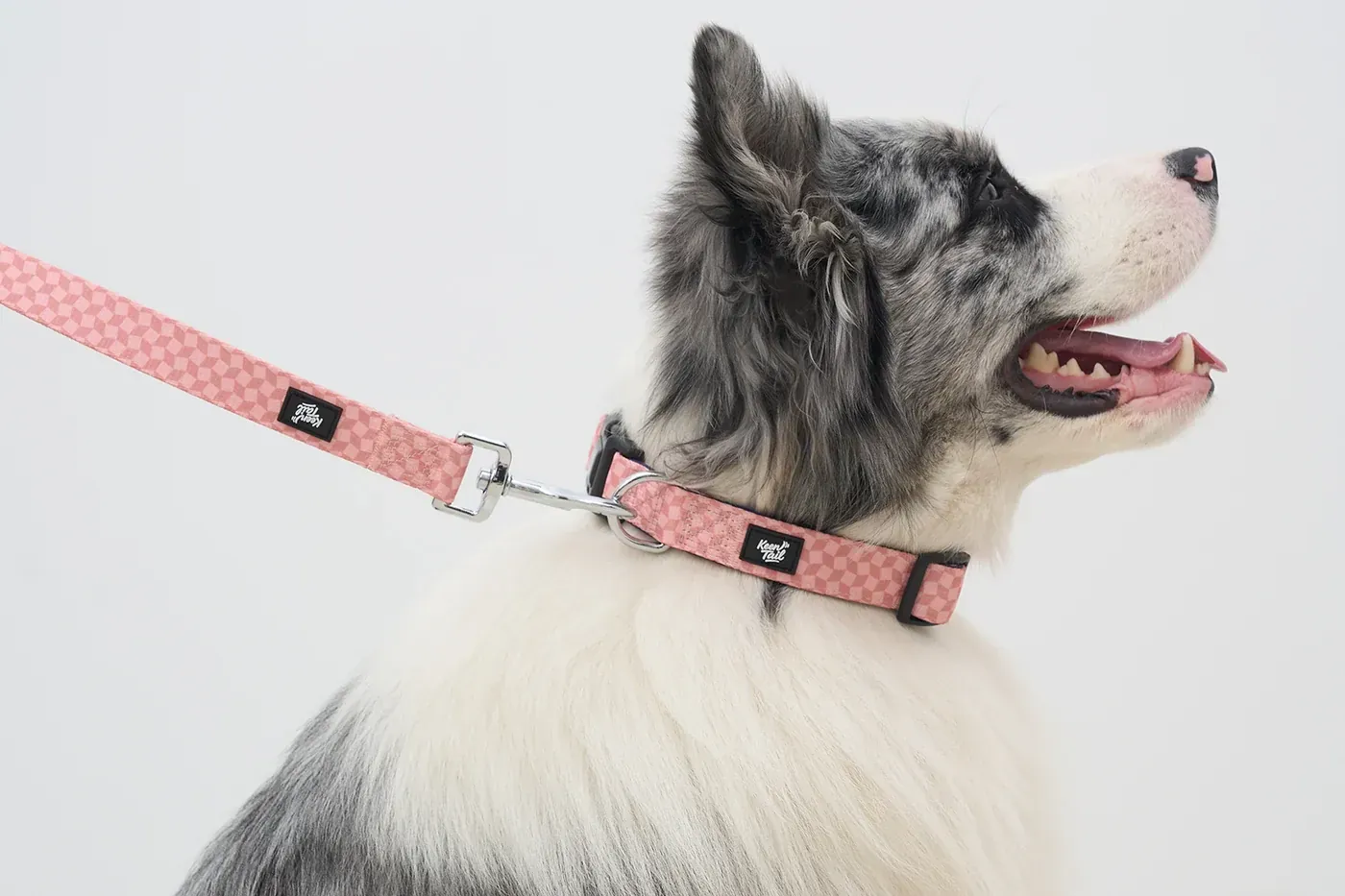
Dog collars are core repeat-purchase products for pet brands, grooming shops, subscription boxes, shelters, and retailers. Successful private label collar programs depend on consistent sizing, comfortable materials, reliable buckles, clean branding, and packaging that makes the product easy to understand quickly.
1. Define the collar range
Start with size coverage, width, adjustment holes or slider range, buckle style, D-ring position, and intended dog weight. A simple size chart should be backed by physical sample checks, because customer returns often come from unclear sizing rather than poor product demand.
2. Choose durable components
Nylon webbing, polyester webbing, padded linings, metal D-rings, plastic buckles, metal buckles, and reflective details each change cost and positioning. Buyers should inspect edge softness, buckle feel, pull resistance, and whether colors stay consistent across matching leashes and harnesses.
3. Make branding visible but comfortable
Woven labels, rubber patches, print, embroidery, and hangtags can all work for collars. The logo should not irritate the dog or weaken the structure. For retail shelves, packaging should show size, neck range, color, barcode, material notes, and brand story clearly.
4. Confirm production and reorder standards
Before bulk production, approve color standards, stitching, hardware, logo placement, packaging artwork, and carton labeling. Keep approved samples and photos for reorder comparison so later batches match the first launch.
Kingspeed Pets supports private label dog collar projects with OEM/ODM development, color matching, logo decoration, packaging, MOQ planning, quality inspection, and export production.