Bandanas
Custom Dog Bandanas: Fabric, Print, and Sizing GuideRead more

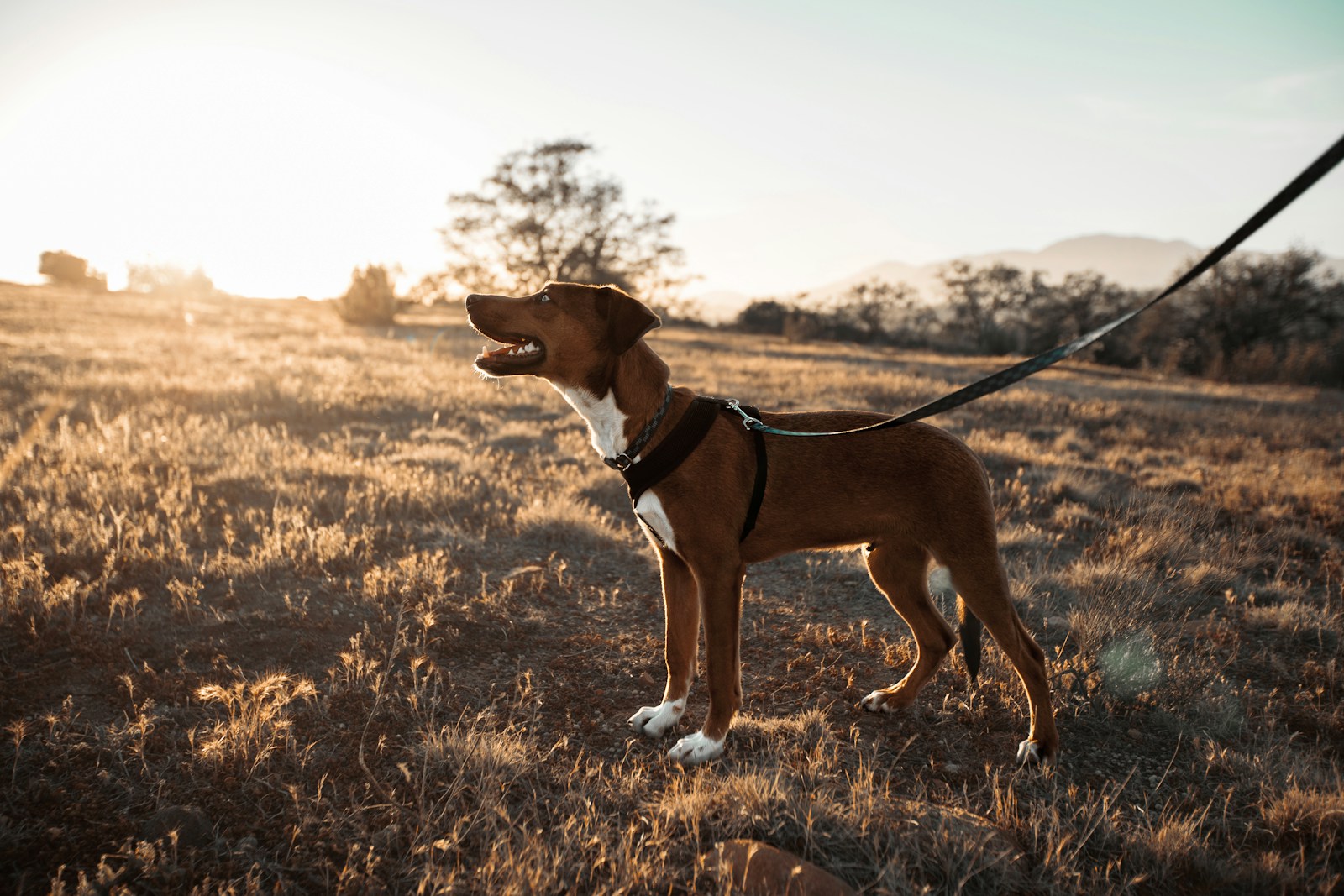
Nylon and polyester can both make useful dog leashes. Neither fiber alone guarantees a better product: weave, yarn quality, webbing width, thickness, edge finish, dyeing, hardware, and stitching can matter just as much. For a private-label buyer, the practical way to choose is to define the walking use case, compare finished samples at the same width and construction, and test the properties that support the brand's claims. A smooth urban walking leash, a colorful printed collection, and a long outdoor line may need different balances of feel, weight, drying, and durability.
Many catalog comparisons describe one material as simply “stronger” or “better in water.” Those claims are too broad for sourcing. Finished webbing can vary widely within the same fiber family, and a weak seam can become the first failure point even when the webbing is robust. Ask the manufacturer for composition, construction, weight per length, width, thickness, color process, and a sample of the final leash assembly. Compare like with like before choosing on price.
Nylon webbing is common in everyday pet accessories because it can be flexible, smooth, and comfortable in the hand when properly woven and finished. Brands may choose it for classic solid-color leashes, adjustable walking sets, or products where a soft drape matters. Different weaves produce different textures: a tight, firm weave may feel crisp, while a looser construction may feel softer but be more prone to snagging or edge wear.
Examine the edge carefully. An edge that feels harmless on a small sample can become uncomfortable after a long walk if the handle loop concentrates pressure on the owner's fingers. Fold the webbing into the planned handle shape and walk with it before approving the material. Also check how the material runs through any adjuster, because a slick surface may slip in hardware that holds a rougher webbing securely.
Polyester webbing is often considered for bright color ranges, printed designs, and products that will be exposed to routine moisture. It can offer a firm hand feel and stable appearance when the dyeing and finishing are well controlled. Sublimated or printed artwork is commonly discussed with polyester-based textiles, but the actual print method, resolution, and wash performance should be confirmed on the finished construction rather than assumed from the fiber name.
For a seasonal collection, evaluate how the same artwork looks on the leash, collar, harness trim, and packaging. A vibrant sample is useful only if the color can be reproduced across the set and on future orders. Ask how the supplier controls material batches and records approved color standards. If the brand wants a muted premium palette, hand feel and surface finish may matter more than maximum print brightness.
Owners use leashes in rain, mud, grass, and near water. A material decision should consider how the finished leash feels when wet, how quickly it becomes comfortable again after cleaning, and whether color transfers to light clothing or a dog's coat. Evaluate wet grip at the handle and the way the clip and stitching dry after use. Any claim such as “quick drying” should be tied to the specific finished product and a comparison method, not to a general assumption about fiber.
Write care instructions that match the actual hardware and decoration. A leash with a printed design, leather detail, or special metal finish may need different care from plain webbing. Test the complete leash using the proposed cleaning method. Check shrinkage, twisting, color change, seam puckering, and whether the handle remains comfortable. A material that performs well as a flat strip may behave differently after sewing and decoration.
Leashes rub against hands, harness rings, ground surfaces, and sometimes rough outdoor edges. Ask for samples with the intended weave and inspect them after a repeatable abrasion test. Pay attention to fuzzing, broken yarns, print wear, and edge fraying. A heavier webbing is not automatically more durable if its weave or edge finish is unsuitable for the use case. Similarly, a lighter webbing can perform well when it is engineered and sewn correctly.
The end folds are critical. Specify fold length, stitch pattern, thread, and reinforcement at the clip and handle. Test the assembled leash, not just the fabric roll. If a brand sells multiple lengths or widths, inspect each variant because load distribution and handling change with dimensions. A 1.5-meter walking leash and a long training line are not interchangeable just because they share a material label.
Create a small scoring sheet for hand feel, wet handling, color fidelity, abrasion, edge comfort, weight, hardware compatibility, cost, and lead time. Use the same sample length and width when comparing the two fibers. Ask the supplier to identify any blend or coating rather than treating the label as pure nylon or pure polyester. Keep the best sample as the approved standard and record its supplier, construction, color, and finish.
For private-label buyers, the decision often changes by channel. An online fashion-led line may prioritize consistent print and photography. A trainer supply program may prioritize handling and repairable simplicity. A wet-weather walking set may prioritize cleanability and hardware finish. The right material is the one that meets the product brief after finished-product testing.
Kingspeed Pets buyers can use these comparisons to specify a leash collection with consistent materials, honest claims, and repeatable production. Start with the owner and dog, then let samples and documented tests decide between nylon and polyester.