
Bandanas
Custom Dog Bandanas: Fabric, Print, and Sizing GuideRead more

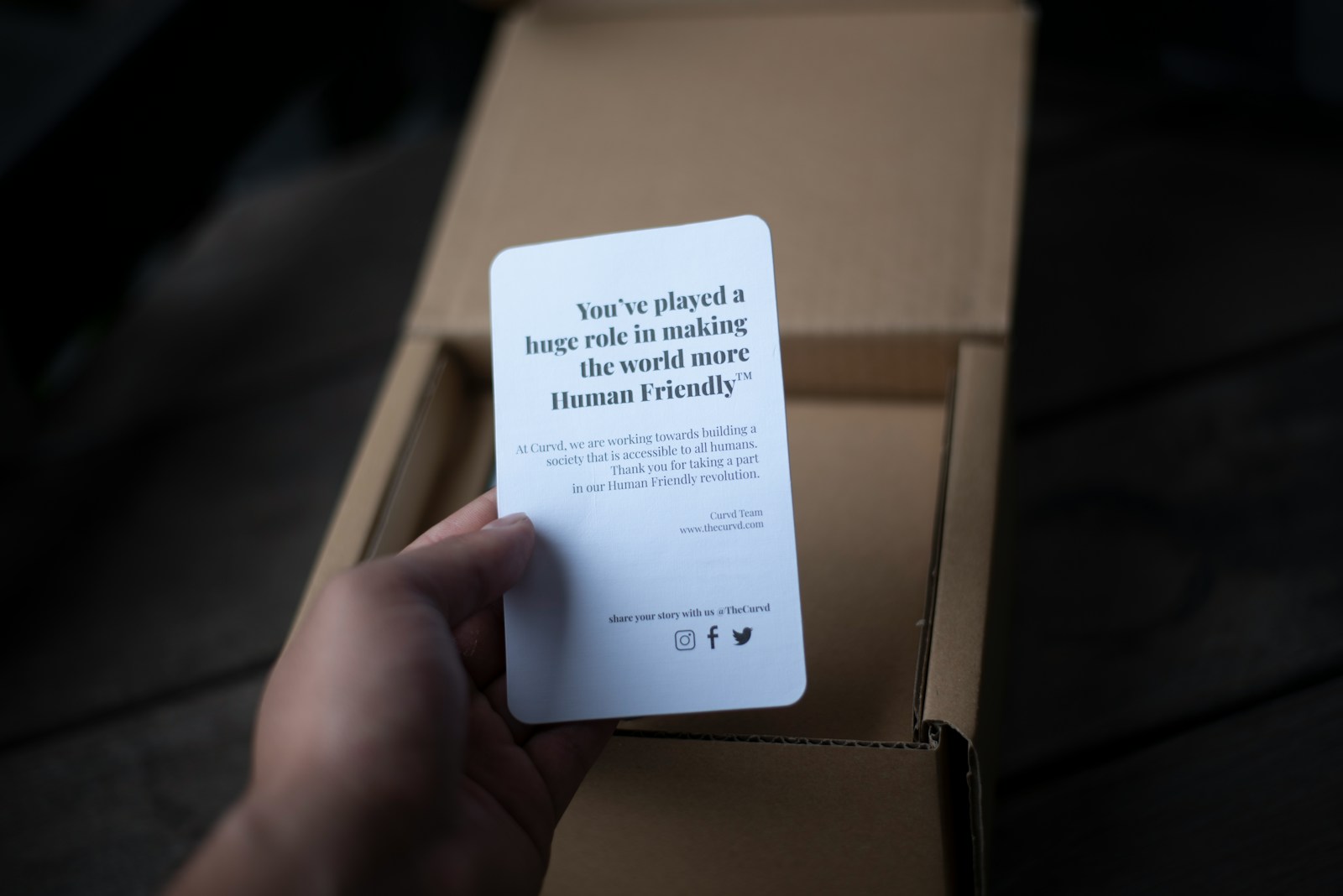
A pet product packaging insert should answer the first questions an owner will have after opening the product: How do I fit it, how do I care for it, what should I inspect before use, and where can I get help? It should do that in language the customer understands, at a type size they can read. A QR code can extend the instructions with video or localized content, but the printed card must still carry essential information. For a private-label brand, the insert is both a customer-support tool and a controlled production component that needs versioning, proofreading, and pack-out checks.
The insert's purpose differs by product. A harness needs a fitting diagram and adjustment order. A retractable leash needs clear operating and handling instructions. A bandana may need only size, fastening, and care. A muzzle needs especially careful use and fit guidance. Do not paste the same generic paragraph into every package. Map the customer's actual first-use journey for each product and use the limited space to prevent the most common mistakes.
For wearable products, begin with the measurement or fitting action the owner must perform. Show the buckle, clip, strap, or loop in a simple diagram. Use numbered steps for actions that must happen in order. Explain what a good fit looks like and what signs mean the owner should readjust or stop. A diagram of the actual product is more useful than a stock illustration with different hardware.
Keep the printed chart consistent with the product detail page and hangtag. If the insert says “medium: 40–55 cm” while the site says a different range, the customer has no reliable guide. Export the chart from the same controlled source used by the product team. When the size range changes, update every channel together.
Owners need to know whether they should hand wash, wipe clean, rinse hardware, air dry, or avoid certain heat or cleaning methods. The answer depends on the finished materials, decoration, and hardware. Test the care method before printing it. A coated collar, embroidered bandana, and retractable leash mechanism should not share one blanket wash instruction.
Describe routine inspection in concrete terms: look for damaged seams, frayed webbing, cracked buckles, rough metal, or a faulty brake, as relevant. Tell owners to stop using a damaged product. Avoid alarming language, but do not hide foreseeable maintenance needs behind marketing claims such as “built to last forever.”
A QR code can lead to fitting videos, translated instructions, registration, warranty information, replacement parts, or customer support. Choose a stable destination that the brand controls. A short redirect URL can allow the destination to be updated without reprinting thousands of cards. Test the code at the printed size, on the actual card stock and finish, under ordinary phone lighting. Leave enough quiet space around it and provide a human-readable URL for customers who cannot scan.
The destination should load quickly on a phone and clearly match the product in the package. Do not send a dog harness buyer to a generic homepage. If analytics or forms are used, write privacy copy suitable for the target market. A QR link that stops working after a campaign ends can make an otherwise good product feel abandoned, so assign an owner for link maintenance.
International packaging may need localized fit, care, warnings, importer information, or market-specific labels. Requirements vary by destination, retailer, and product type, so obtain the relevant current rules rather than assuming one card works everywhere. Translate instructions completely, not as short summaries. A mistranslated buckle step can cause a fitting error. Review diagrams too; labels embedded in artwork may be overlooked during localization.
Reserve space for legally or commercially required text before design is finalized. If multiple languages make the card crowded, consider a folded insert or a QR-linked full guide while keeping the essential printed information visible. Do not shrink type until it becomes unreadable simply to avoid a second panel.
Check the insert inside the actual packaging with the actual product. Does metal hardware crease it? Is the front page visible when the package opens? Can a shopper see the barcode without a card blocking it? Does the card fit every size in the collection? Print a production proof and scan the QR code from it; a screen preview cannot reveal every paper or ink problem.
Add the insert to the bill of materials with a version number, language, paper specification, finish, size, and quantity per unit. During bulk inspection, verify the correct version is packed with the correct SKU. A perfect card placed in the wrong color or size package creates confusion and returns. Keep a retained sample of the approved pack-out for repeat orders.
Useful inserts reduce avoidable support requests and help owners use a product as designed. Kingspeed Pets buyers should approve them as carefully as the accessory itself, with the same revision discipline used for materials and packaging artwork.